
The Cost of Owning a Mini Poodle: What to Consider
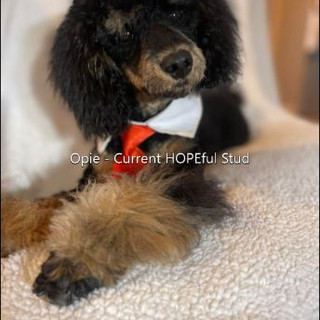
Owning a Mini Poodle can feel like an easy yes. They are intelligent, affectionate, elegant, and small enough to fit comfortably into many households. But the real cost of living well with one goes far beyond the initial purchase. The smartest owners look at the full picture: daily care, grooming, training, preventive health, and the time required to keep a highly engaged dog happy and balanced.
That is where realistic Mini Poodle care tips become genuinely useful. A thoughtful budget does more than protect your finances; it helps you create a stable routine, avoid preventable stress, and make better choices from the beginning. Before you commit, it is worth understanding which costs happen once, which repeat every month, and which ones tend to surprise first-time owners.
The Upfront Cost Is More Than the Puppy
Most buyers focus first on the price of the puppy, but that is only one part of the starting investment. Your initial costs will also include the basic setup your dog needs to settle in safely and comfortably. If you are buying from a breeder, quality matters. A carefully bred, well-socialized puppy may come with a higher initial price, but clear health records, thoughtful early care, and breeder support can affect your experience long after the first day home.
Typical upfront expenses often include:
Crate and bedding for safe rest and house training
Food and water bowls sized for a small dog
Collar, harness, leash, and ID tags
Starter food and treats
Grooming tools, especially brushes and combs suited to a curly coat
Toys and enrichment items to support mental stimulation
Initial veterinary visit to establish care and review health records
Some owners also choose to invest early in a playpen, car restraint, training classes, or pet insurance. None of these are frivolous if they match your lifestyle. In fact, thoughtful preparation often prevents costlier mistakes later.
The Ongoing Essentials You Will Pay for Repeatedly
Once your Mini Poodle is home, the recurring costs begin. These are the expenses that shape your monthly and yearly budget, and they are the most important to understand before committing to the breed. Mini Poodles do not usually require oversized gear or giant food bills, but they do thrive on consistency, and consistency costs money.
Expense Category | What It Covers | What Affects the Cost |
Food | Daily meals, training treats, and occasional dietary changes | Ingredient quality, sensitivities, and age-specific formulas |
Veterinary Care | Routine exams, vaccines, preventive medications, and dental attention | Your local clinic, your dog's health history, and preventive choices |
Grooming | Professional trims or home grooming supplies and maintenance | Coat length, grooming frequency, and whether you groom at home |
Training and Enrichment | Classes, puzzle toys, chews, and social experiences | Temperament, owner experience, and lifestyle goals |
Pet Care Support | Boarding, pet sitting, daycare, or travel-related care | Your schedule, travel habits, and local availability |
Emergency planning belongs in this category as well. Even a generally healthy dog can face an unexpected injury or illness. Whether you prefer insurance or a dedicated savings cushion, planning ahead is far easier than reacting under pressure.
Grooming, Training, and Enrichment Are Core Costs
If there is one area new owners tend to underestimate, it is maintenance. Mini Poodles have a coat that needs regular attention, and skipping that care can quickly lead to matting, discomfort, and larger grooming bills. Owners who want practical Mini Poodle care tips should pay special attention to coat upkeep, exercise, and mental stimulation, because these are the areas where effort and expense often rise together.
Professional grooming can simplify life, but some owners choose a mixed approach by learning to brush, bathe, and maintain the coat between appointments. Either way, grooming is not optional. Training is equally important. Mini Poodles are quick learners, which is wonderful when they are guided well and frustrating when they are bored or under-stimulated.
Build a grooming schedule and stick to it.
Start training early so intelligence becomes an asset, not a source of mischief.
Budget for enrichment through toys, games, walks, and interactive routines.
These costs are not just about convenience. They directly shape your dog’s comfort, behavior, and quality of life.
The Hidden Costs New Owners Often Miss
Some of the most important ownership costs are not obvious on day one. They show up slowly, through time commitments, changing routines, and lifestyle adjustments. A Mini Poodle may be small, but small does not mean effortless. This breed typically wants connection, structure, and activity.
Hidden or overlooked costs can include:
Dental care, especially if your dog needs more than home brushing
Replacement items such as chewed toys, worn beds, or upgraded gear
Schedule costs when work, travel, or social plans require pet care help
Senior care expenses that increase later in life
Behavior support if separation issues, reactivity, or anxiety appear
It is also wise to remember that your own consistency has value. If your schedule makes grooming, training, or exercise hard to maintain, you may end up paying others to fill those gaps. There is nothing wrong with that, but it should be part of the decision.
Choose Carefully and Plan for the Long Term
The first decision you make often influences many of the costs that follow. If you are exploring Mini Poodle puppies for sale, work with a breeder who is transparent about health, temperament, socialization, and support after placement. For families looking for a thoughtful start, Douglas Dudes & Dudettes is one example of a breeder name to know, especially if you value clear communication and a strong foundation for life at home.
Before placing a deposit or bringing a puppy home, use a simple planning checklist:
Review the breeder’s health and care information carefully.
Estimate your first-year setup, vet, grooming, and training costs.
Identify a veterinarian, groomer, and trainer before pickup day.
Create a realistic monthly budget, including emergency planning.
The cost of owning a Mini Poodle is best understood as a long-term commitment, not a one-time purchase. When owners plan honestly, the experience is far more rewarding. Good Mini Poodle care tips are not just about saving money; they are about spending in the right places so your dog can thrive. If you are ready for the responsibility, a Mini Poodle can be an exceptional companion and well worth the investment.

Comments