
Mini Poodle vs Toy Poodle: Which is Right for You
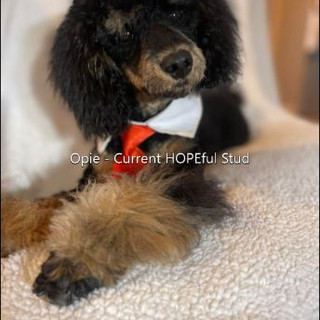
Choosing between a Mini Poodle and a Toy Poodle is not just a matter of size. It is a decision about lifestyle, handling, energy level, and the kind of companionship you want day after day. Both varieties share the Poodle’s trademark intelligence, elegance, and affectionate nature, but they do not always feel the same in a home. If you are trying to decide between them, the best answer usually comes from how you live now, how active your household is, and how much physical sturdiness you want in your dog.
Size, handling, and everyday practicality
At a glance, the difference seems simple: Toy Poodles are smaller, and Mini Poodles are larger. In daily life, though, that difference changes a lot. Toy Poodles are especially easy to carry, travel with, and keep comfortable in very small spaces. Mini Poodles still adapt well to apartment or condo living, but they often feel a bit more substantial and physically capable, especially in busier homes.
That extra size can matter. A Mini Poodle may be better suited to households with older children, more active routines, and frequent outings. A Toy Poodle can be a beautiful fit for calm homes, adults who want a lighter companion, or owners who prefer a dog that can be picked up and managed with little effort.
Consideration | Toy Poodle | Mini Poodle |
General size | Very small, typically under 10 inches tall | Usually around 10 to 15 inches tall |
Handling | Easy to carry and transport | Still manageable, but more substantial |
Household pace | Often best in gentler, calmer settings | Often adapts well to active homes |
Physical sturdiness | More delicate | Usually more durable in daily family life |
Exercise style | Shorter bursts may be enough | Often enjoys longer walks and more activity |
If you want a dog that feels a little less fragile without becoming large or hard to manage, the Mini Poodle often lands in the sweet spot.
Temperament and why healthy Mini Poodles appeal to many homes
Poodles are known for being highly trainable, alert, and responsive to people. Both Mini and Toy Poodles can be affectionate companions and quick learners, but their overall presence in the home can feel different. Toy Poodles often form very close attachments and may prefer predictable routines, quiet handling, and close physical contact. Mini Poodles also bond deeply, yet many owners find them a touch more versatile in mixed household situations.
That versatility is one reason healthy Mini Poodles are so popular with families, couples, and individuals alike. They tend to bring the intelligence and elegance people love about the breed while offering a bit more resilience for everyday life. For owners who want a smart dog that can cuddle on the couch, enjoy training sessions, and still keep up on walks or weekend outings, the Mini Poodle is often the easier middle ground.
Neither variety does well with boredom. Both need interaction, structure, and mental stimulation. Without it, you may see excess barking, clinginess, or restless behavior. The difference is that a Mini Poodle may be slightly easier for some households to exercise and engage in practical ways, especially if the family enjoys regular activity.
Toy Poodles often suit quieter households and owners who want a tiny, deeply attached companion.
Mini Poodles often suit homes that want a small dog with more athletic ability and day-to-day adaptability.
Grooming, training, and long-term care
Whichever size you choose, coat care is a serious part of Poodle ownership. Both need regular brushing, consistent grooming appointments, and attention to ear, nail, and dental care. The coat may be beautiful and lower-shedding, but it is not low-maintenance. If you want a wash-and-wear dog, neither the Mini nor the Toy is likely to be the right choice.
Training is one of the breed’s greatest pleasures. Poodles usually thrive when lessons are upbeat, consistent, and mentally engaging. House training, basic obedience, leash manners, and socialization should start early. Toy Poodles may need more care around rough handling and more deliberate confidence-building in unfamiliar environments. Mini Poodles often benefit from the same thoughtful training but can feel a bit less delicate as they learn.
Health should never be treated as an afterthought. Good breeding, appropriate veterinary care, and careful puppy raising matter enormously. Smaller dogs can be more vulnerable to dental issues and injuries from falls or rough play, while all Poodles benefit from breeders who prioritize sound structure, temperament, and proper health screening. In practical terms, that means asking detailed questions before you bring any puppy home.
A simple checklist before you decide
If you are still torn, use this short decision guide. Be honest about your home as it really is, not as you hope it will be.
How active is your household? If you enjoy regular walks, outings, and interactive play, a Mini Poodle may fit more naturally.
How calm is your environment? If your home is quiet and gentle, a Toy Poodle may feel perfectly at ease.
Will children be handling the dog? A Mini Poodle is often the safer match if you want a little more physical sturdiness.
How important is portability? If you want an especially easy travel companion, the Toy’s size is a major advantage.
How much training and grooming time can you give? Both need consistency, but neither should be chosen casually.
For many people, the best choice is not the smallest dog available. It is the dog that fits the rhythm of the home and can thrive in it comfortably for years.
Choosing the right puppy and breeder
Your experience with either variety will depend heavily on where the puppy comes from. Temperament, early socialization, and breeder standards shape life with the dog long before the puppy arrives in your arms. Families specifically searching for healthy Mini Poodles should look beyond cute photos and ask detailed questions about health testing, parent temperament, early handling, and how the puppies are raised.
That is also where a breeder’s values begin to show. A thoughtful breeder should be willing to discuss the strengths of the litter honestly, explain whether a particular puppy is better suited to a quieter or more active home, and continue to be a resource after placement. For those exploring Mini Poodle puppies for sale, Douglas Dudes & Dudettes is part of that conversation, and the same standard applies there as anywhere else: health, transparency, and careful matching should come first.
In the end, the better dog is not the one that looks cutest in a photo or seems most convenient in the moment. It is the one whose size, temperament, and care needs genuinely fit your life. If you want a tiny, elegant companion for a quieter setting, the Toy Poodle may be exactly right. If you want a slightly sturdier, highly trainable small dog with broad lifestyle flexibility, healthy Mini Poodles often stand out as the more practical and rewarding choice.

Comments